Fragmentary Subjectivity and the Evolution of the Museum: Examining Walter Benjamin’s “The Work of Art in the Age of Mechanical Reproduction”

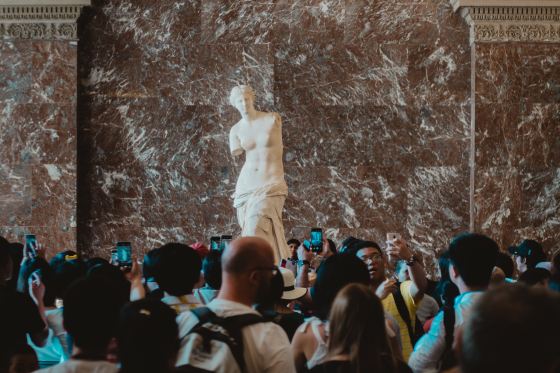
This essay examines Walter Benjamin’s text, “The Work of Art in the Age of Mechanical Reproduction” (1935) to explore how technological advancement transformed the socio-political function of art and severed its ties to religious tradition. Benjamin identifies the degradation of art’s ‘aura’ as a casualty of these changes. I review how Benjamin defines aura, as a sensation connected to art’s cult value, before considering the political implications of its decay. I demonstrate how mechanical reproduction fundamentally altered art’s function to enable a fragmentary construction of subjectivity. I then draw on Rosalind Krauss’ essay, “The Cultural Logic of the Late Capitalist Museum” (1990), to demonstrate the cultural changes predicted by Benjamin decades earlier. Specifically, how the degradation of ‘aura’ led to a radical restructuring of the museum as a site which produces identity, moving from a temporal to spatial organising principle to accommodate a radically contingent and embodied subject.

Elegy for the Aura

By reading Benjamin alongside Proust, this essay argues that the loss of the aura has been of aesthetic detriment. Despite Benjamin’s exhortation, the political potential left in the aura’s absence has gone unrealised. The wonder of auratic experience that Proust describes is lost without a worthwhile replacement, and our relationship to art is less than it could be.

To Laugh at Scientists: Nietzschean Tragic Culture in the Contemporary World

Nietzsche’s aesthetic philosophy in The Birth of Tragedy—though timelessly incisive—is restricted by the passionate and romantic inclinations evident in his early works. This paper reconstructs the origin, function and demise of Nietzschean tragic culture under the hegemony of Socratism, before revealing self-imposed limitations within his metaphysics of art, and adjusting his call for a renewal of tragic culture to be applied to the ostensibly endless world of multimodal expression we exist within today.

Between Mirrors and the World: A Critique of Plato’s Aesthetics

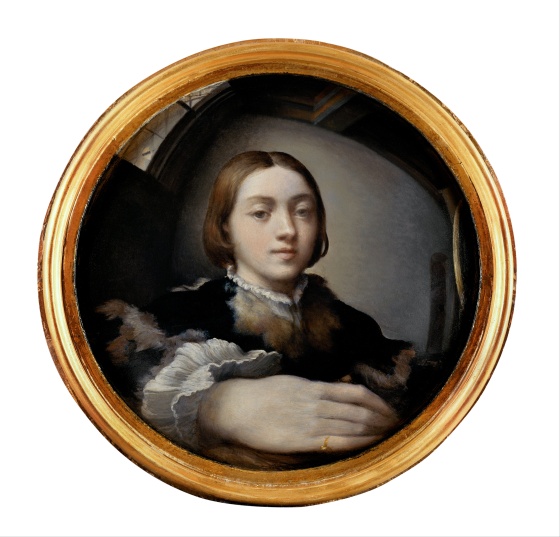
In this essay, I explore Plato’s critique of art as mere imitation from The Republic. I explicate Plato’s argument, before turning to a defence of the arts by critiquing Plato’s conception of art as mimesis through Parmigianino’s painting ‘Self-Portrait in a Convex Mirror,’ and Josh Ashbery’s poem of the same name. The essay combines a traditional philosophical essay with a more abstract form of critique, drawing on visual art and poetic analysis to argue against Plato’s metaphysical claims about the truthfulness of art.