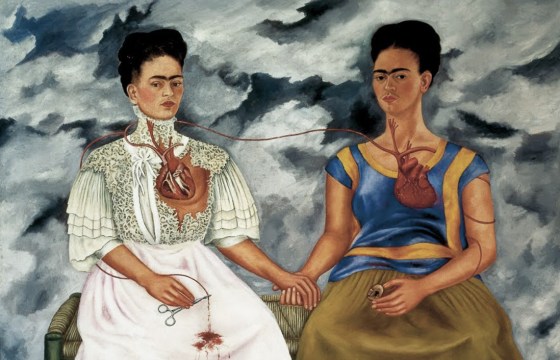
In this critical reflection I focus on themes of cultural identity and hybridity in the age of AI through an exploration of the challenges I faced when AI generating a CV to communicate my skills, my strengths, and most importantly, my story to a potential employer. This essay analyses the ways that AI perpetuates Western colonial frameworks and, in doing so, fails to capture the complexity of hybrid identities when crafting personal narratives. For a deeper understanding of the conflicting feelings that emerged through this process I turn to the work of Frantz Fanon and Gloria Anzaldúa. Through this reflection I explore both the depths of my hybrid identity and my opposition to any attempts to constrain this ‘mestizaje’.
Tag: decolonial theory
Congratulations, You’re Included! Now, You’re Under Arrest: Arendt and Colonial Forms of Rightlessness
This paper offers a critique of Hannah Arendt’s account of the “right to have rights” in The Origins of Totalitarianism (1951). While accepting Arendt’s claim that rights depend upon political belonging rather than humanity alone, it argues that her framework fails to capture rightlessness produced through coercive legal inclusion. The argument draws on Irene Watson and Sharon Venne’s critique of state-administered Indigenous rights, using the criminalisation and over-incarceration of Indigenous Australians to demonstrate that recognition by law does not necessarily restore political standing. Instead, colonial law can render Indigenous peoples visible primarily as subjects of policing and punishment while denying their authority as self-determining peoples. The paper concludes that Arendt’s account, including her analysis of assimilation, is sensitive to exclusion and defective belonging. Yet, settler-colonial rightlessness reveals a limitation: having rights requires not merely belonging to a political community but belonging as a people capable of self-determination.